
 Lightfoot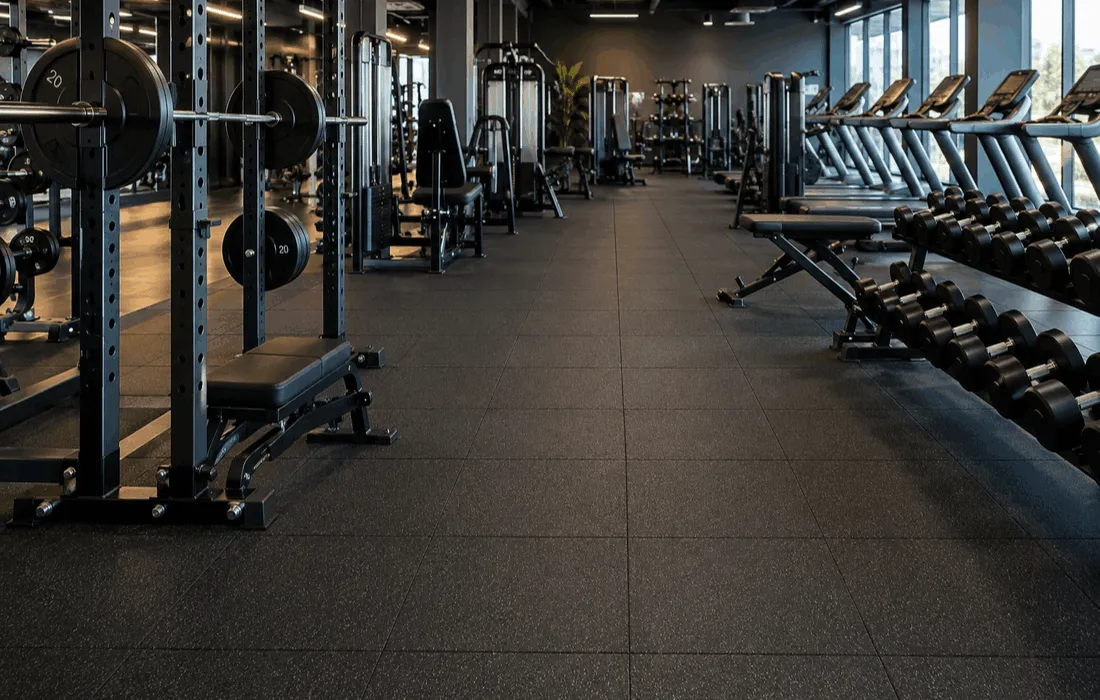
Dropped weights sound different on concrete than they do on a proper training surface, sharper, louder, the kind of bang that makes everyone in the room flinch. That noise is also a warning sign. Hard flooring transfers shock straight back into joints, equipment, and eventually the slab itself. Gym flooring exists specifically to interrupt that chain reaction before injuries or cracked concrete become the norm.
Jump To
- Why Hard Floors Cause Injuries
- Choosing The Right Thickness Level
- Protecting Equipment and Dropped Weights
- Noise Reduction for Shared Buildings
- Slip Resistance During Intense Sessions
- Long Term Value for Gym Owners
- Conclusion
Home gyms and commercial studios face the same basic problem, just at different scales. Whatever the size of the space, the surface underneath either protects people and equipment or quietly works against them.
Why Hard Floors Cause Injuries
Joint stress builds up gradually on unforgiving surfaces. Knees, ankles, lower backs, they absorb repeated micro impacts during every session, and over months that adds up to real wear, the kind that sends people to physiotherapists.
Falls compound the risk further. A missed step during a lift, a slip during cardio, these happen more often on hard, slick surfaces than most gym owners want to admit. Cushioned flooring doesn’t eliminate falls, but it softens the consequence considerably.
Choosing The Right Thickness Level
Not all workout zones need the same protection. A stretching or yoga area gets by fine with thinner matting, while a heavy lifting platform demands something substantially thicker to absorb dropped barbell impacts without transmitting shock through the building.
Getting this wrong shows up fast. Too thin under a squat rack, and both the floor and the joints below it take a beating. Matching thickness to actual use prevents that mismatch from becoming an expensive lesson.
Protecting Equipment and Dropped Weights
Dumbbells and plates aren’t gentle on floors, ever. Repeated drops crack tile, chip concrete, and eventually damage the equipment itself as edges wear unevenly against a surface too hard to give at all.
Rubber gym flooring changes that dynamic entirely. It cushions impact on both sides, protecting the floor beneath and extending the life of weights that would otherwise chip and rust faster from repeated hard contact.
Noise Reduction for Shared Buildings
Apartment gyms and multi tenant buildings deal with problem standalone facilities rarely face, downstairs neighbours who hear every dropped kettlebell. Thin flooring does almost nothing to muffle that sound, and complaints pile up fast.
Rubber based surfaces absorb vibration in a way most other materials don’t. It won’t make a gym silent, dropped iron still makes noise, but it cuts the transmission through floors and walls enough to keep the peace with whoever lives below.
Slip Resistance During Intense Sessions
Sweat pools fast during a hard session, and slick floors turn that into a genuine hazard. Textured rubber surfaces grip far better under wet conditions than polished concrete or standard tile ever could.
That grip matters most during explosive movements, jumps, sprints on a treadmill, quick direction changes during circuit training. A stable footing isn’t a luxury feature here, it’s what keeps a workout from ending in an ankle roll.
Long Term Value for Gym Owners
Replacing damaged flooring mid lease is expensive and disruptive, closing sections of a gym while repairs happen never sits well with paying members. Durable flooring rated for heavy commercial use avoids that scenario for years at a stretch.
Home gym owners benefit similarly, just on a smaller scale. Quality flooring installed once, correctly, tends to outlast several equipment upgrades, which makes it one of the better long-term investments in any training space.
Conclusion
A workout space is only as safe as the ground beneath it, something too many gym builds overlook until an injury or a cracked floor forces the issue. Getting the surface right from the start protects people, equipment, and the building itself for years afterward.
For gym owners and home fitness enthusiasts alike, pvcfloortile.co.za offers flooring solutions built for exactly this kind of demand. Choosing well here means fewer disruptions, safer sessions, and a training space that holds up no matter how hard it gets used.